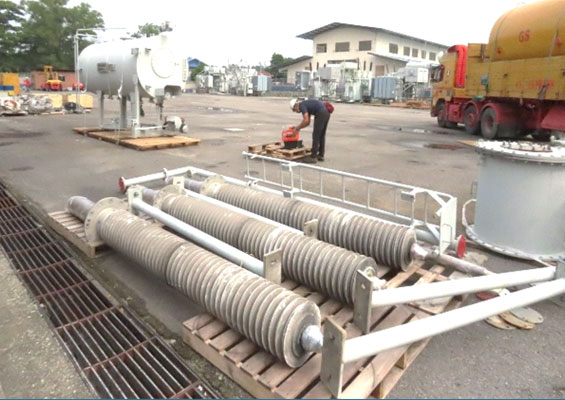
Polymeric housed transformer bushings being stored at a 132 kV substation operated by Malaysian TSO Tenaga Nasional Berhad were discovered to have visibly deteriorated. The bushings, equipped with liquid silicone rubber housings, exhibited surface degradation that included discoloration and advanced alligator cracking. This raised concern about long-term reliability and performance and prompted an extensive detailed internal investigation.
This edited contribution to INMR by S. Gobi Kannan of TNB’s Grid Div., in cooperation with K. Hafizzudin & other experts at TNB Labs, presents findings from a forensic analysis conducted on these bushings. The conclusions at the end should be noted carefully by both manufacturers and users of high voltage components produced using liquid silicone rubber insulation.


Site Inspection
An inspection was carried out in the area where the deteriorated bushings were stored. This assessment revealed visible surface degradation, including extension cracking and discoloration, particularly in areas exposed to sun and moisture.
The cracks appeared have formed due to prolonged exposure to ultraviolet radiation, temperature fluctuations, and humidity. Signs of surface contamination were also observed – an indication of potential interaction with airborne pollutants. These observations suggested that the material had undergone chemical and physical changes over time, potentially affecting structural integrity and performance of the bushings.
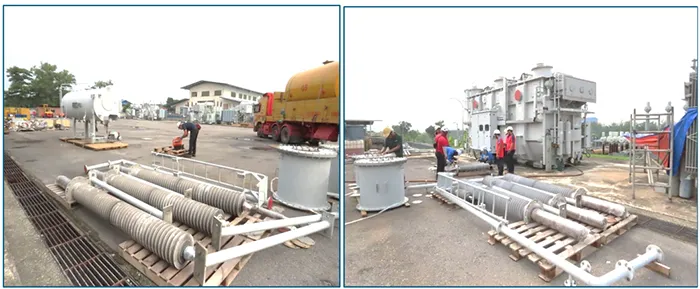
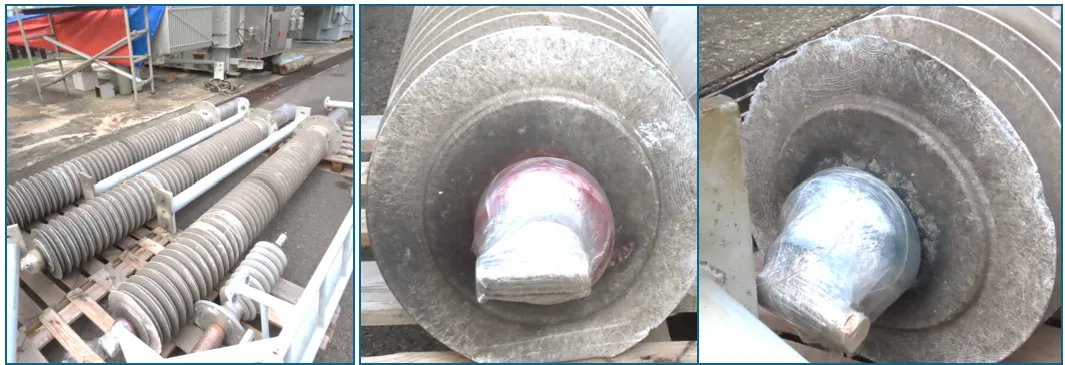
Visual Examination
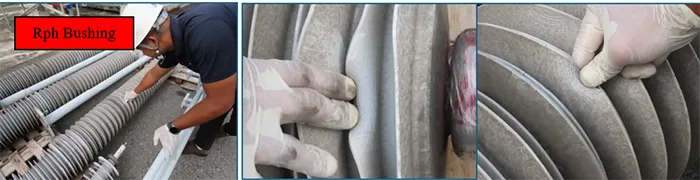
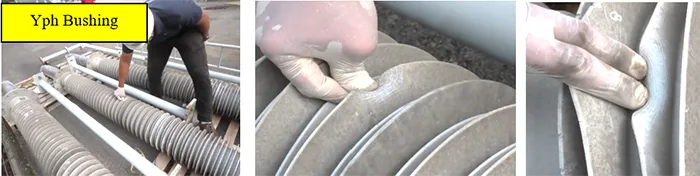
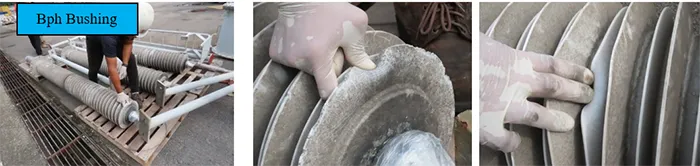
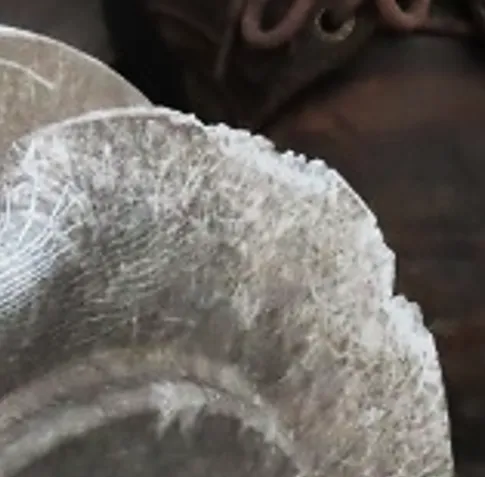
The polymeric bushings were visually examined, which revealed generally poor condition. There were signs of heavy contamination with dirt and dark deposits, suggesting prolonged exposure to environmental contaminations or operational wear. In addition, the edges of the silicone rubber insulator had chipped, which could compromise insulation properties and mechanical integrity of the bushing. The outer surface exhibited significant deterioration, categorized as ‘alligatoring’ cracking where the material forms a rough surface (see Figs. 3,4 & 5).
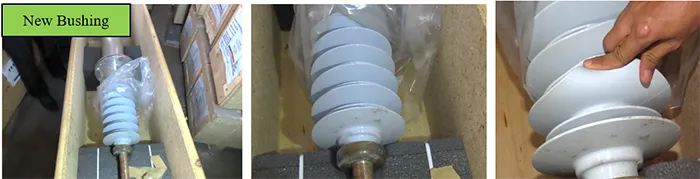
By contrast, a new bushing inside the original crate was selected to serve as reference for the original condition. A close-up examination was conducted on a new silicone rubber bushing stored in a wooden crate under a roofed storage area (see Fig. 7). The insulator surface appeared clean and shiny, with no evidence of cracking or deterioration. Proper storage conditions included protection from direct sunlight, moisture, and airborne contaminants – all of which contributed to preserving the bushing’s physical integrity.
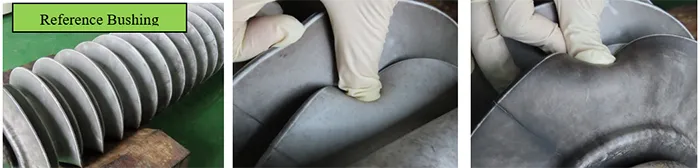
Visual inspection was also carried out on a reference bushing installed at the substation and coming from the same manufacturer. The silicone rubber insulator in this case showed a mildly contaminated surface, likely due to exposure to the outdoor environment. Despite this, the material remained intact, with no signs of cracking or structural damage. Its condition suggested that, while some surface dirt accumulation had occurred, the bushing retained its mechanical and insulation properties.

Material & Elemental Analysis
To evaluate the extent and nature of deterioration in the polymeric bushing material, a comprehensive series of laboratory-based material analyses were conducted. These tests were intended to identify physical, chemical, thermal, and structural changes to the silicone rubber insulator with focus on correlating environmental exposure to observed failure modes. The scope of the material analysis covered both qualitative and quantitative methods to ensure a thorough assessment of degradation mechanisms. The following techniques were employed:
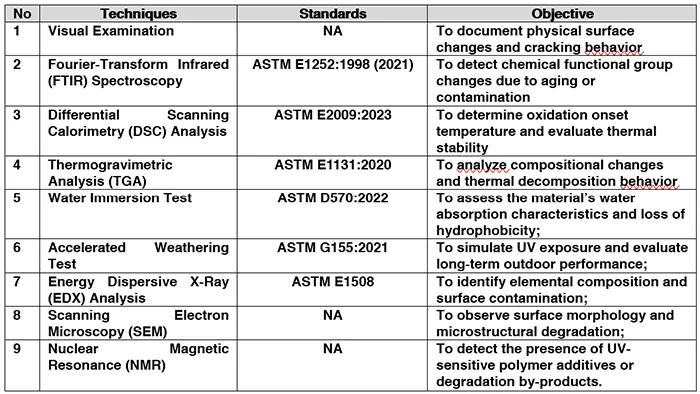
Together, these different analyses provided a detailed understanding of chemical and mechanical degradation processes that may have affected the bushing’s housing material.
Fourier-Transform Infrared Spectroscopy (FTIR) Analysis
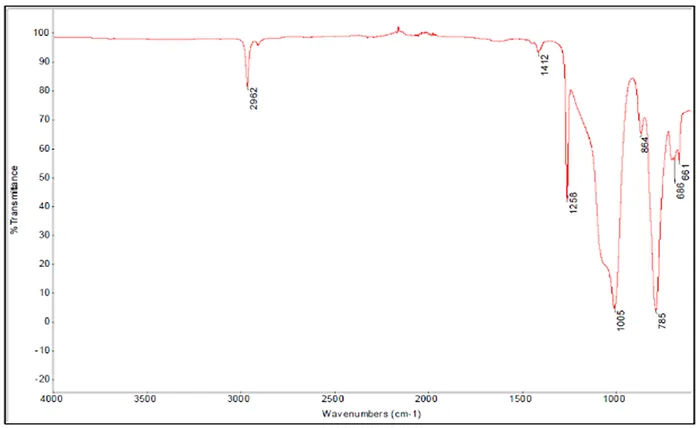
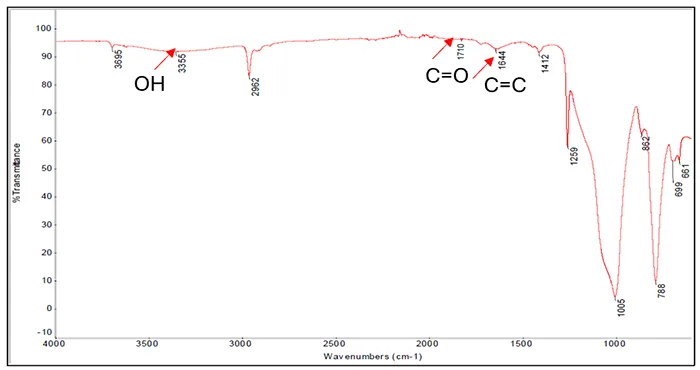
FTIR analysis was carried out on the silicone rubber insulator to identify any sign of degradation. Two specimens, labelled as ‘reference’ and ‘deteriorated’ samples were selected from the silicone rubber insulator of the substation and warehouse, respectively. The analysis was conducted in accordance with ASTM E1252:1998 (2021) – Standard Practice for General Techniques for Obtaining Infrared Spectra for Qualitative Analysis.
For the Part 1 Analysis, the top surface of both Sample A and Sample B was placed directly onto a Golden Gate Diamond Attenuated Total Reflectance (ATR) accessory and scanned in reflectance mode for 16 times from 4000 cm-1 to 600cm-1 using FTIR spectrometer to obtain their individual infra-red spectrum. For the Part 2 Analysis, at 0 hour and after each exposure time during accelerated weathering test (UV exposure test), the exposed side of each sample was placed directly onto the ATR accessory and scanned using the test parameters described above.
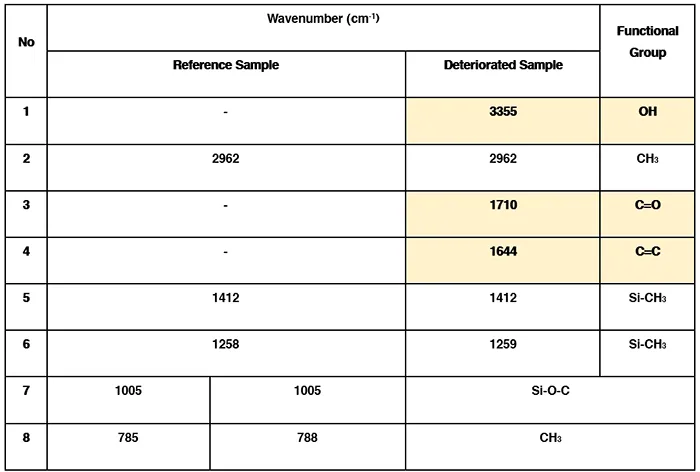
Table 1 shows results for Part 1. Except for the functional groups highlighted in bold, the test results indicate characteristics absorption peaks of a silicone-based material. Results also infer that the deteriorated sample had undergone stages of degradation due to presence of OH, C=O and C=C functional groups.

Differential Scanning Calorimetry (DSC) Analysis
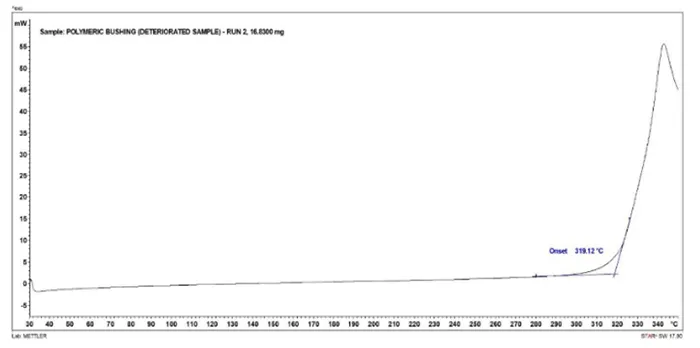
Differential Scanning Calorimetry (DSC) Analysis was carried out on the silicone rubber insulator. DSC is a method used to determine oxidation onset temperature (OOT) at which a material begins to oxidize in the presence of air or oxygen. Oxidation is a chemical reaction in which a substance combines with oxygen, leading to formation of oxides.
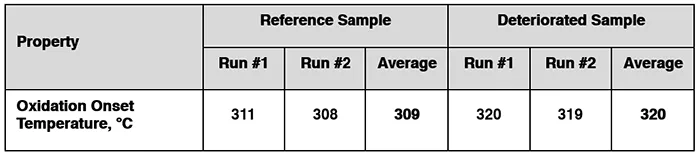
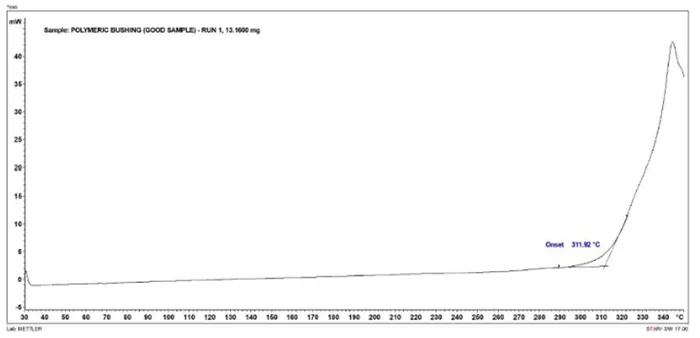
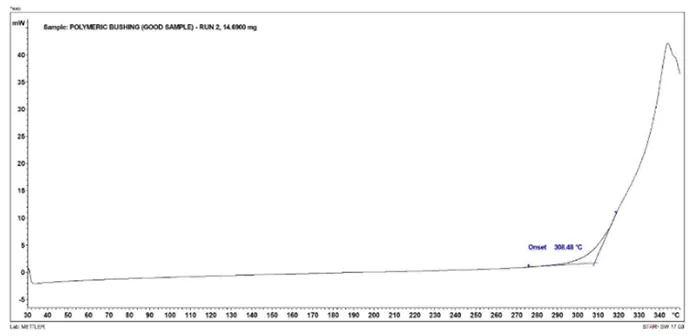
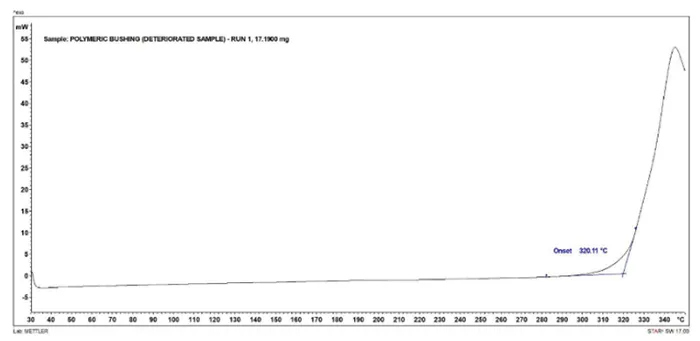
Two specimens, labelled as ‘reference’ and ‘deteriorated’ samples were selected from the silicone rubber insulator of bushings at the substation and warehouse, respectively. Oxidation onset temperature (OOT) was determined using a DSC analyzer according to ASTM E2009:2023 – Standard Test Methods for Oxidation Onset Temperature of Hydrocarbons by Differential Scanning Calorimetry. Approximately 10 to 20 mg of test specimen taken from the deteriorated and reference samples were heated from 30°C to 350°C at intervals of 10°C/minute in the presence of oxygen.
For this test, the oxygen gas flow rate was maintained at 50 ml/minute throughout the testing period. Results are shown in Table 2.

TGA Analysis
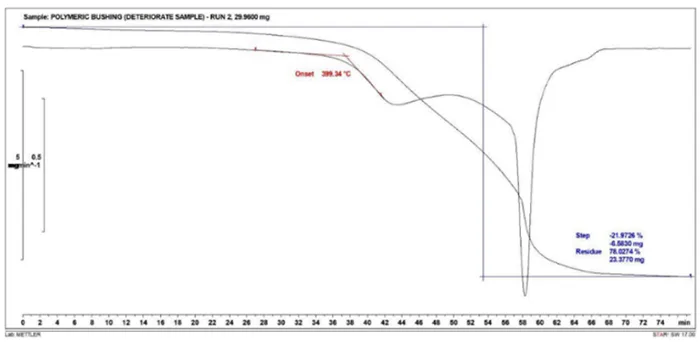
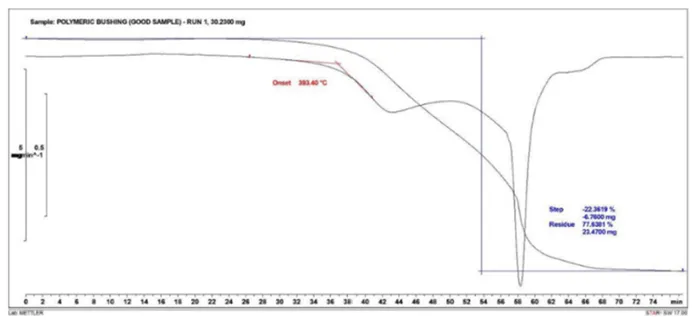
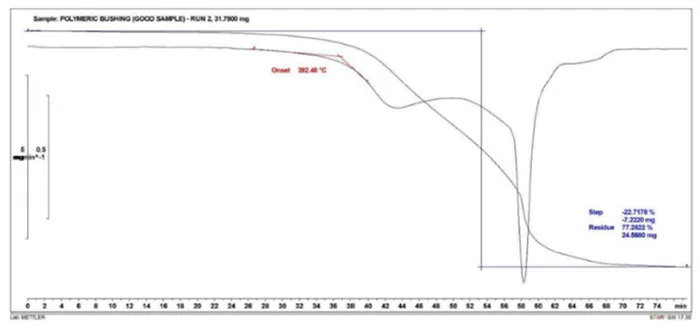
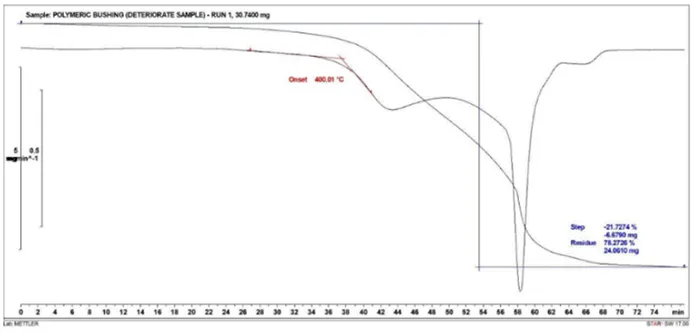
Thermogravimetric (TGA) Analysis was also carried out on the silicone rubber insulator. This test determines changes in the mass of a sample as a function of temperature under a controlled atmosphere. Two specimens, labelled as ‘reference’ and ‘deteriorated’ samples were selected from the silicone rubber insulator of the bushings at the substation and warehouse, respectively.
Approximately 10 to 13 mg of test specimens was analyzed in accordance with ASTM E1131:2020 – Standard Test Method for Compositional Analysis by Thermogravimetry.
Sample A and Sample B were analyzed using the following test parameters in a TGA analyzer equipped with an auto sampler:
• Temperature Program:
i. Heat from 25°C to 600°C at 10°C/minute in nitrogen
ii. Heat from 600°C to 800°C at 10°C/minute in nitrogen
• Gas flow rate: 50 ml per minute
Results are shown in Table 3.
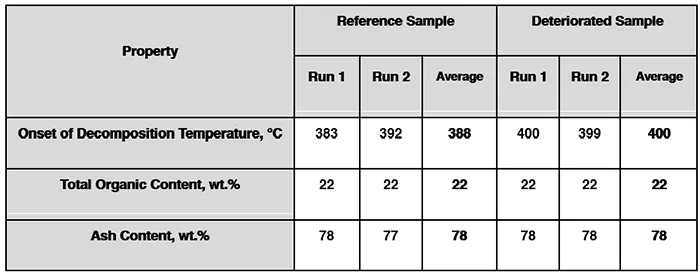
From Table 3, it is evident that although the composition of both samples is similar, i.e. about 22 wt.% total organic content and 78 wt.% ash/inorganic filler content, onset of decomposition (ignition) temperature of the deteriorated sample is higher than for the reference sample. Factors that contributed to the higher onset of decomposition (ignition) temperature value in the deteriorated sample are most probably the same as in the DSC-OOT results.
In summary, while specific mechanisms may vary between oxidation and decomposition, factors influencing onset temperature for both processes in degraded samples often overlap. Factors such as chemical changes, thermal history, mechanical stress, and environmental exposure all play an important role in determining the thermal stability and decomposition behavior of polymers such as silicone rubber.
Water Immersion Test
A Water Immersion Test was carried out on the silicone rubber insulator to determine the amount of water that the material can absorb when exposed to moisture or liquid and to assess the material’s porosity, durability and suitability. Two specimens, labelled as ‘reference’ and ‘deteriorated’ samples were selected from the silicone rubber insulator of the substation and warehouse bushings, respectively, and a water immersion test was conducted according to ASTM D570:2022 – Standard Test Method for Water Absorption of Plastics.
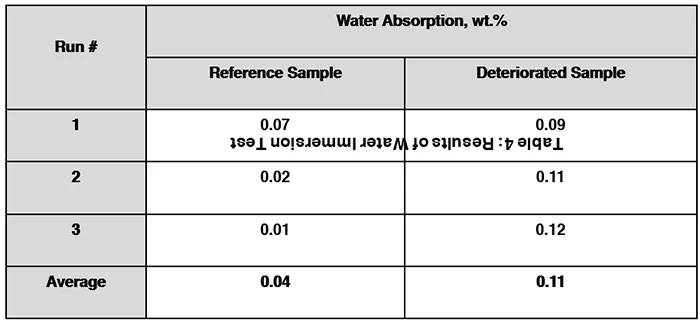
Three pieces of test specimens, each cut from reference sample and deteriorated sample, were immersed in distilled water at room temperature for 24h. After this period, the rate of water absorption was calculated based on percentage change in mass. Results are shown in Table 4 and indicate that, despite the higher OOT and onset of decomposition (ignition) temperature values, the average water absorption value of deteriorated sample is significantly higher than that of reference sample. This is probably due to material degradation in the deteriorated sample.

Accelerated Weathering Test
An accelerated weathering test was carried out on both samples to simulate ultraviolet exposure to the silicone bushing over time. This test was to identify any sign of degradation on the silicone bushing when exposed to UV rays for a period of 7 years (from the year of manufacture until the year the bushing was discovered to have deteriorated).
The analysis was conducted in accordance with Cycle 1 of ASTM G155:2021 – Standard Practice for Operating Xenon Arc Lamp Apparatus for Exposure of Materials.
The pump assembly with the cover fully closed was placed inside a xenon chamber and subjected to the following test parameters:
i. Light source: Xenon Arc
ii. UV irradiance: 0.35 W/m2 at 340 nm
iii. Black panel temperature: 63°C
iv. Relative humidity: 50%
v. Filter: Daylight BB
vi. Exposure duration: 1400 hours (to simulate 7 years of usage. Each 200 exposure hours represent to 1 year of usage)
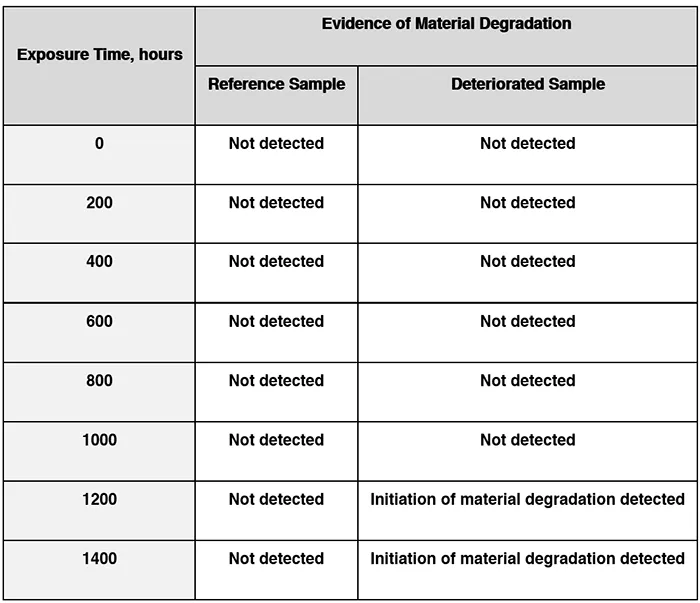
In this analysis, the presence of OH, C=C, and C=O groups is taken as indicators of material degradation. The results are shown in Table 4.5.
Table 5 illustrates that reference sample exhibited greater resistance to the accelerated weathering test compared to the deteriorated sample. For the deteriorated sample, initiation of degradation was detected after 1200 hours of exposure.
Energy Dispersive X-Ray (EDX) Analysis
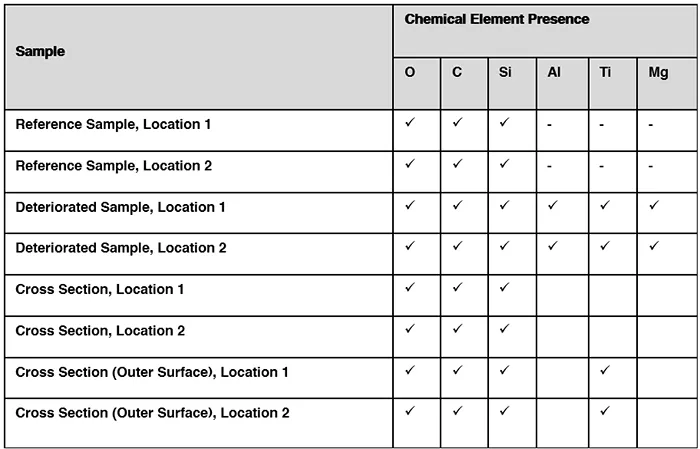
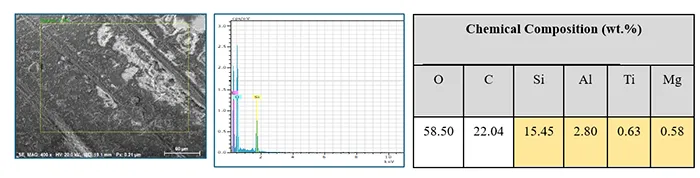
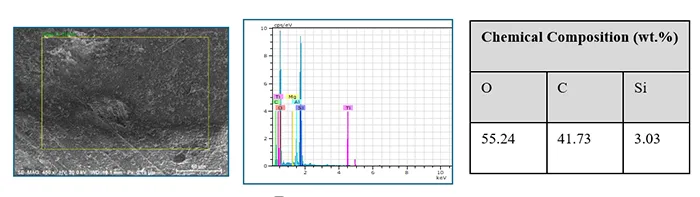
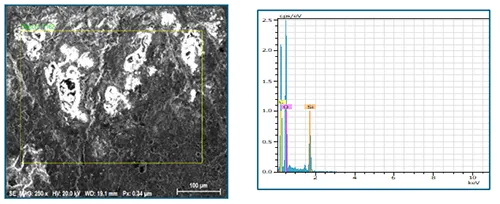
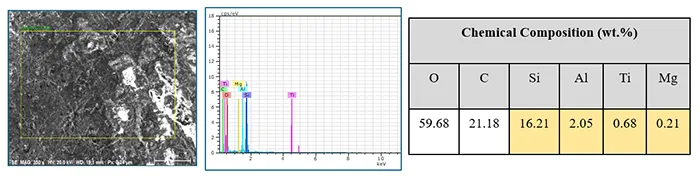
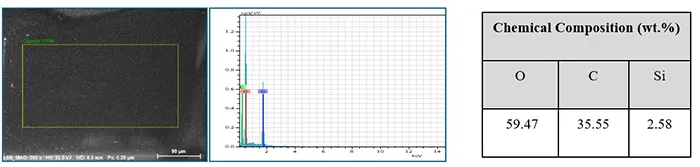
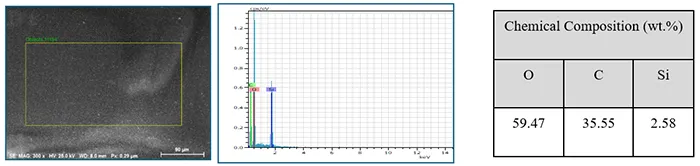
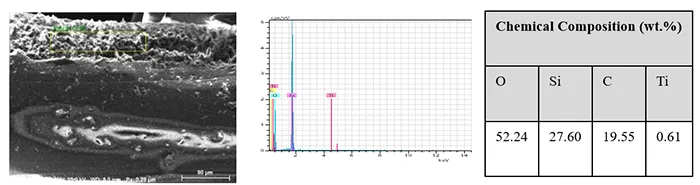
Energy Dispersive X-Ray (EDX) Analysis was carried out on the silicone rubber insulator. This test was to identify any foreign material which might contribute to deterioration of the silicone rubber insulator.
Two specimens, labelled as ‘reference’ and ‘deteriorated’ samples were selected from the silicone rubber insulator of the substation and warehouse, respectively. Results are shown in Table 6.
Scanning Electron Microscopy (SEM) Examination
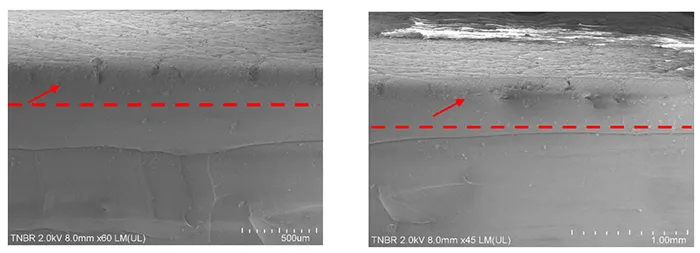
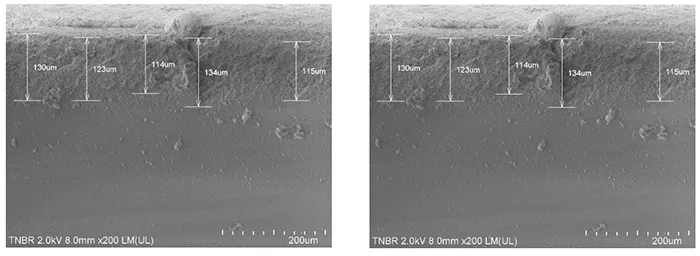
Scanning Electron Microscopy (SEM) examination was carried out on the cross-section of the silicone rubber insulator to examine the cross-sectional characteristic of the deteriorated sample.
Figs. 27 & 28 show the SEM images.



Nuclear Magnetic Resonance (NMR) Spectroscopy Analysis
Nuclear magnetic resonance (NMR) spectroscopy was carried out on the silicone rubber insulator to identify any UV sensitive components, including:
i. Ethyl vinyl acetate (EVA)
ii. Ethyl propylene rubber (EPR)
iii. Ethylene propylene diene monomer (EPDM)
Two specimens, labelled as ‘reference’ and ‘deteriorated’ samples were selected from the silicone rubber insulator of the substation and warehouse, respectively.
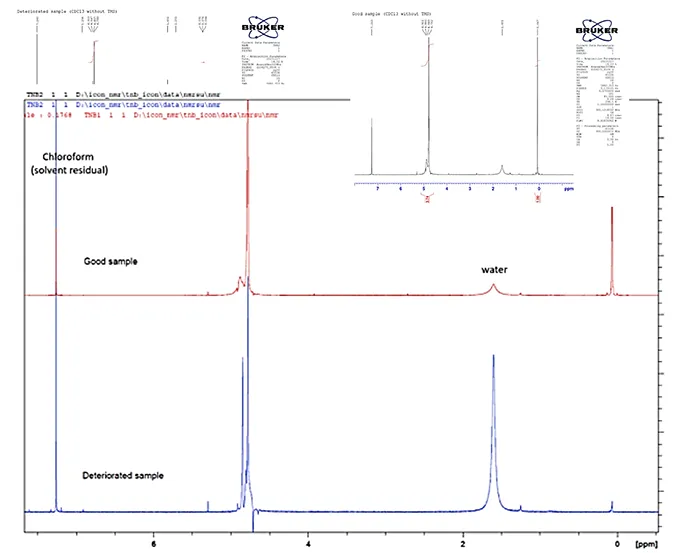
Each sample (10 g) was soaked in a flask containing 50 mL of dichloromethane for 90 min. The solvent was evaporated under reduced pressure by a rotary evaporator and the residue (liquid at room temperature) was dissolved in 0.5 mL of deuterated chloroform (CDCl3) for NMR analysis.
The NMR analysis was performed on an NMR Avance NEO 300 MHz spectrometer (Bruker, Germany) at 25 °C. Chemical shift of the proton NMR spectrum was calibrated according to chloroform residual peak at 7.26 ppm.
A strong signal around 0.07 ppm was observed in the proton NMR of the good sample, which is attributed to Si-Me. The spectrum of deteriorated sample showed a distinct sharp signal around 4.9 ppm, which cannot be attributed to any of the proposed UV sensitive components (EVA, EPR and EPDM).
Analysis & Discussion
Visual examination of the deteriorated sample from the warehouse showed ‘alligatoring’ cracking appearance on the silicone rubber insulator when pinched, while the reference sample from the substation did not show this when the same action was applied.
FTIR analysis on as-received samples showed that the deteriorated sample had experienced degradation whereas the reference sample had not.
The oxidation onset temperature through Differential Scanning Calorimetry (DSC) Analysis showed that the decomposition temperature for the deteriorated sample was higher (320°C) compared to the reference sample (309°C).
As in the TGA analysis, the decomposition temperature for deteriorated sample was higher (400°C) compared to the reference sample (388°C).
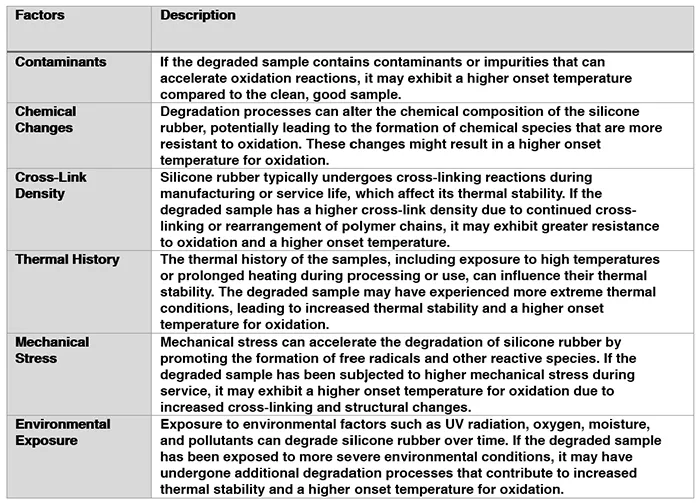
It can also be seen that the OOT value from analysis of the deteriorated sample is higher than for the reference sample. Several factors could contribute to the degraded sample having a higher oxidation onset temperature, as shown in Table 7. The higher oxidation onset temperature of the deteriorated sample compared to the reference sample could be attributed to a combination of these factors, reflecting the complex interplay between material properties, environmental conditions, and degradation mechanisms.
Overall, as silicone rubber degrades, it can undergo cross-linking or chain scission processes, leading to formation of new chemical structures. These changes often result in a material with a higher degradation temperature, whereas new structures are more stable and require higher temperatures to break down.
The water immersion test showed that the deteriorated silicone rubber sample absorbed more water than the reference sample, meaning that its hydrophobicity had been reduced.
Accelerated weathering test (UV exposure test) revealed that both reference and deteriorated sample do not show any sign of degradation up until 1000h. However, evidence of material degradation on the deteriorated sample started to show up at 1200h and on. No sign of material degradation was detected on the reference sample after 1400h.
EDX analysis on deteriorated samples show that contamination on the surface is composed mainly of Si (silicon), Al (aluminium), Ti (titanium) and Mg (magnesium). Except for Ti, these elements are common elements for soil dirt. No corrosive elements were found on the insulator. The source of the Ti was not known.
SEM images on the deteriorated sample cross-section close to outer surface showed that the degraded layer had an average thickness of 114-130 µm.
Nuclear magnetic resonance (NMR) spectroscopy analysis showed no signs of UV sensitive components in the silicone rubber, including Ethyl vinyl acetate (EVA), Ethyl propylene rubber (EPR) and Ethylene propylene diene monomer (EPDM).
Conclusions
Comparison between the reference sample (at the substation) and the deteriorated sample (in the warehouse) is summarized below:
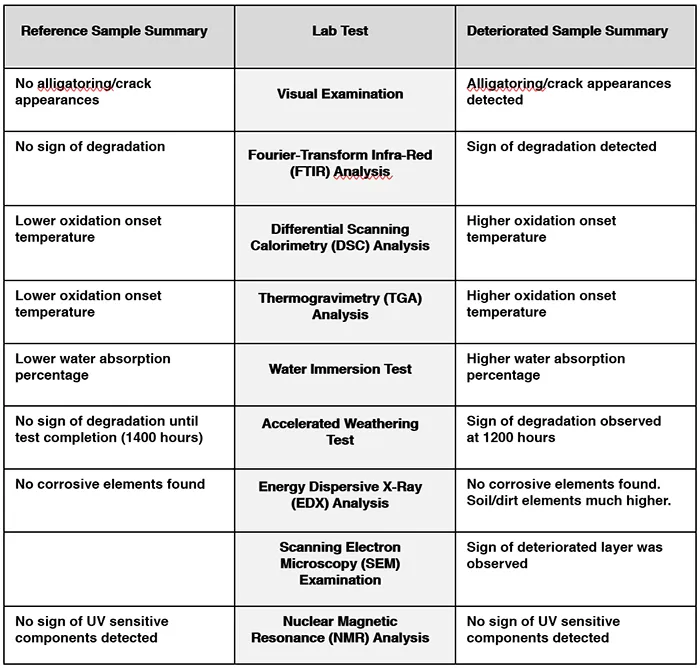
Despite the same year of manufacture for both sets of bushings, laboratory examination clearly showed that the deteriorated bushing from the warehouse had undergone degradation. By contrast, the reference sample (from the substation) remained in good condition.
Reduced hydrophobicity of the deteriorated silicone bushing can be a contributing factor to the degradation. Degradation could not be attributed to presence of UV sensitive components since these were not detected on the silicone material. Degradation caused by corrosive deposits was not possible since none were found.
The variation in oxidation onset temperature (OOT) between two batches of liquid silicone rubber (LSR) observed through thermogravimetric analysis (TGA) provides indication of inconsistencies in the manufacturing process, which may have contributed to the field-observed degradation in service. Specifically, presence of alligator cracking—a pattern of surface fissures resembling reptile skin—is commonly associated with premature ageing, embrittlement, or loss of elasticity in silicone materials.
Such cracking is often a manifestation of poor polymer chain integrity or loss of filler-matrix bonding, both of which are consistent with a lower OOT and reduced thermal stability. In LSR systems, rapid curing cycles, coupled with low-viscosity formulations, make the process highly sensitive to variations in temperature, catalyst efficiency, and filler dispersion. If these parameters are not tightly controlled, the result could be an incomplete cross-link network, chain scission, or uneven additive distribution—all of which can compromise the long-term resistance of the material to UV, corona discharges, or thermal cycling.
The alligator cracking observed could thus be a surface expression of internal chemical degradation triggered by inadequate vulcanization or unstable filler bonding. These defects may not be visually evident at the time of manufacture but can propagate over time under environmental and electrical stresses, leading to irreversible surface damage and eventual failure.
In addition, ageing test results demonstrated that significant molecular degradation, as detected by FTIR, only became evident after 1400h of UV exposure, highlighting that standard ageing durations may not be sufficient to reveal true long-term behavior. Therefore, OEMs should consider extending the UV ageing test duration to a minimum of 1400 hours, or beyond, to fully capture the onset of degradation mechanisms relevant to field performance.
Therefore, the combination of lower oxidation onset temperature and observed alligator cracking reinforces the conclusion that LSR materials are more vulnerable to property deviation from process inconsistency, and that critical applications such as HV bushings demand batch-level quality verification, including TGA and surface inspection, to ensure long-term reliability.